“Sometimes the truth hurts,” I said softly. “But sometimes it opens a door.”
He nodded, unable to speak for a moment.
That night, for the first time in a very long while, neither of us felt invisible.
For the first time since Daniel passed, I believed the future still had room to surprise me.
Life did not return to what it had been before. It settled into something new.
When I finally went home for good, the house felt different. Not ruined, not unlivable, but changed. The locks had been reinforced. Motion lights had been installed. Cameras blinked quietly near the eaves. The police called them precautions, and they were right. But the real thing that made the house livable again was not the hardware. It was the knowledge that danger no longer lived unseen inside the pattern of my days.
I kept my job at the archive, still working nights, still handling files most people never think about. But I no longer moved through my days believing that quiet automatically meant safety. I understood now that silence can hide intention just as easily as it can hide pain.
Aaron and I began having dinner together on Sundays.
At first it was just coffee. Then soup. Then meals that took enough time to feel like their own kind of shelter. He introduced me to his mother, who smiled at me as if she recognized something even on the days when names escaped her. A few weeks later, his son joined us.
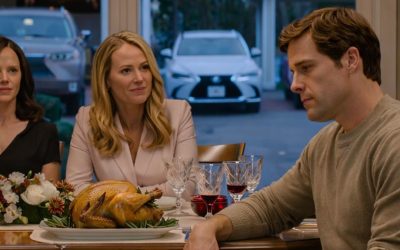
The first dinner with all of us felt careful and slightly awkward, like watching two men learn how to occupy the same room without old injuries choosing the conversation for them. But they kept showing up. That was what mattered.
They asked me questions about the trial. About testimony. About fear.
I answered honestly.
“Fear doesn’t always scream,” I told them one evening over pot roast and warm bread. “Sometimes it waits very patiently for routine to make room for it.”
Over time, those dinners became something neither Aaron nor I had planned and neither of us named too quickly.
A family built not by blood, but by attention.
At work, a new clerk started a few months later. She was young, overwhelmed, and working nights because she needed the money, not because she wanted the hours. I recognized the tightness in her shoulders before she ever said much to me. The way she hesitated before asking questions. The way she stood a little too straight when she was anxious, as though posture could substitute for certainty.
One night I brought her tea.
She looked at me as if I had handed her something unusually rare.
“Thank you,” she said quietly. “You have no idea how much this helps.”
But I did know.
I knew exactly what it meant to be seen in a place where most people look past one another. I knew what a small human gesture can do when the night is long and the work is quiet and your life feels like it is being carried one obligation at a time.
Months later, Aaron received another call while driving me home. His son had decided to move back to Los Angeles. Not suddenly. Not dramatically. Slowly, carefully, but with intention. They were rebuilding something that had cracked long before I ever met either of them.
That night, when Aaron dropped me off, he waited until I was inside before driving away.
Some habits do not disappear.
I am sixty-two now. I still live in my small bungalow in East Los Angeles. I still work nights. I still drink tea when my hands shake. But I no longer believe I am alone inside the quiet.
I think often about how easily this story might have ended differently. If I had not spoken to my driver. If I had not offered a cup of tea. If Aaron had not learned, through his own losses, to listen when others chose not to hear.
Kindness did not save me because it was magical. It saved me because it created connection. Connection creates awareness. Awareness creates action. And action changes outcomes.
We live in a world that teaches people to mind their own business, to keep their heads down, to keep moving, to treat drivers like background and passengers like fares, to mistake silence for safety and routine for protection. This story exists because one person chose to pay attention and another person chose to treat a stranger like a human being in the middle of a long, ordinary night.
That is the lesson I carry forward.
Be kind, not because you expect a reward.
Be kind because attention is not weakness.
Be kind because listening can change a life.
You may never know whose routine you interrupt, whose fear you interrupt, whose ending you quietly rewrite by deciding to notice what everyone else ignores.
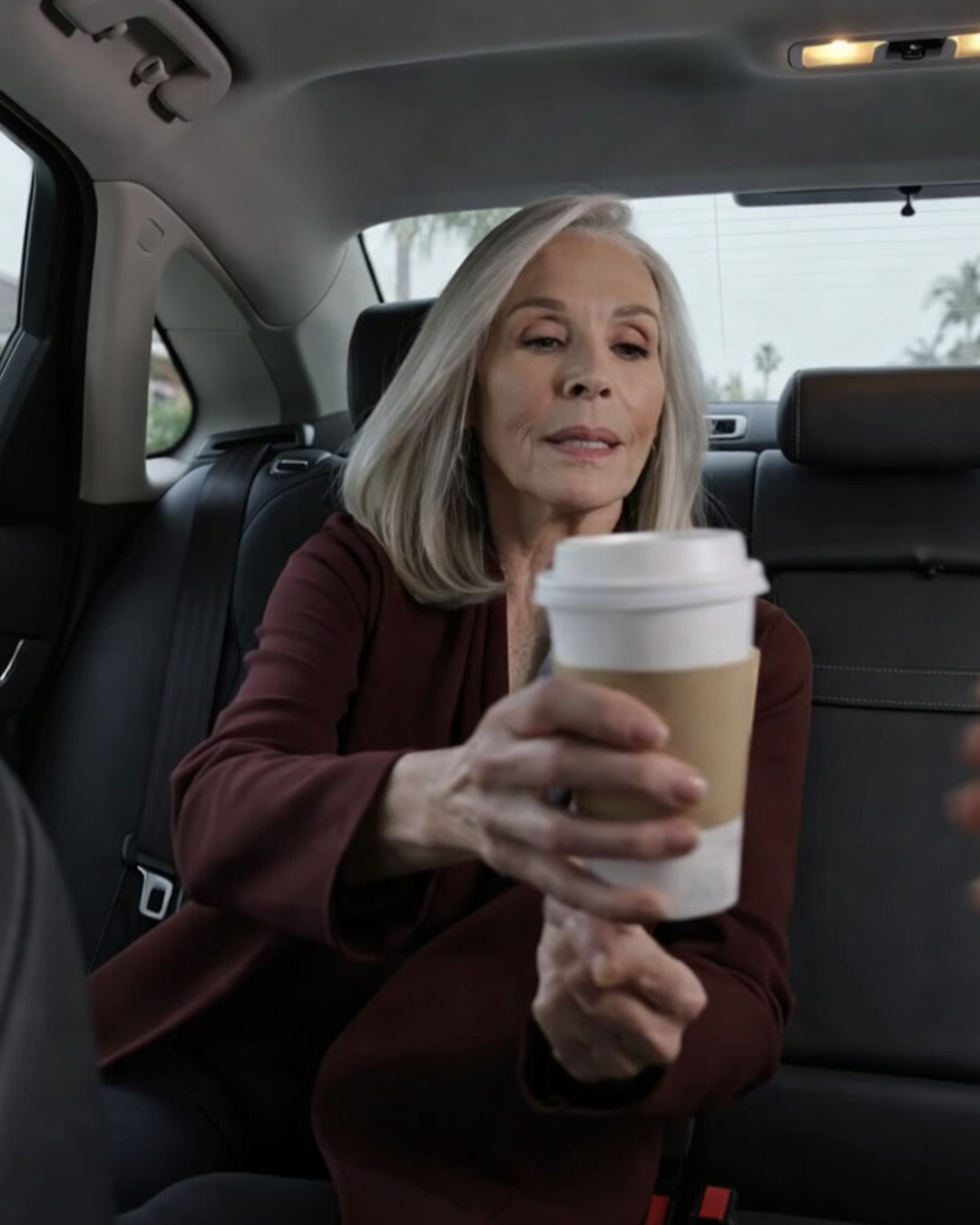
I gave my night driver tea every week.
One night he missed my exit.