My name is Lydia Moore. I am sixty-one years old, and this is my story from Los Angeles.
Six months earlier, I had stood beside a hospital bed in Glendale with my husband Daniel’s hand in mine, listening to the machines go quiet one by one until there was nothing left in the room but stillness and the sound of my own breathing. We had been married for thirty-nine years. He had taught high school history. I had spent most of my working life as a legal assistant, the sort of woman who remembered deadlines, carried extra pens, and could find a missing page in a stacked file before anyone else realized it was gone.
When Daniel passed, the life insurance barely covered the hospital bills and the funeral. What little remained disappeared into property taxes, utilities, groceries, and the high cost of simply continuing to exist in a city that does not slow down for grief. Los Angeles keeps moving. Freeways still fill before sunrise. Delivery trucks still roll through alleyways. Coffee shops still unlock their doors. The world does not pause because one house has gone quiet.
I moved back into the small aging bungalow in East Los Angeles that Daniel and I had bought decades earlier, back when the neighborhood still felt like a beginning instead of a place worn thin by years. The paint had started peeling from the trim. The porch steps complained under my weight. One streetlight near the corner flickered more nights than it worked. Inside, the silence sat heavy in every room. It was heavier than noise had ever been.
Our son lived in Arizona. He called when he could, but time and grief have a way of stretching distances that already exist. We loved each other, I think, but love is not always enough to keep two people close. Sometimes it only leaves a line open that rings less often than it should.
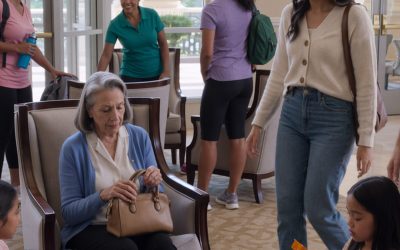
At sixty-one, retirement was not an option. I took a night position at a private legal records archive downtown. It was not a law firm and not quite a warehouse either. It was one of those careful, unremarkable operations that most people never think about, the kind that stores civil case files, sealed depositions, chain-of-custody logs, and evidentiary documents for ongoing litigation. My job was to log files, verify transfers, confirm chain of custody, and flag inconsistencies. The work required concentration, caution, and the ability to notice what did not belong. It paid just enough to keep me afloat.
My shift ended at 11:45 each night. For a while, I relied on the bus, the way I had relied on buses for half my adult life. Then routes were cut. The last one left before my shift ended, and walking alone through downtown Los Angeles close to midnight was no longer something my body or my nerves could manage. My son insisted I download a rideshare app. I resisted until resistance became impractical. That is how I met Aaron.
The first time his dark sedan pulled up outside the archive building, I hesitated with my bag clutched close against me. The street was nearly empty. A damp wind moved old flyers along the curb. He looked to be in his early fifties, with tired eyes, deliberate movements, and the kind of face that suggested he had learned the value of saying only what mattered. But his rating was perfect. Five stars. Hundreds of rides. I got in the back seat and gave him my address.
“Long night?” he asked quietly.
“Every night,” I said.
He nodded as though that answered more than the question itself.
Over the next few weeks, Aaron was always the one who accepted my ride. Same nights. Same time. Same calm presence waiting in the glow of the archive’s security light. He never pushed conversation. He never asked personal questions. But he noticed things. He noticed when I seemed shaken. He noticed when I was quiet in a different way than usual. He noticed when my hands looked cold.
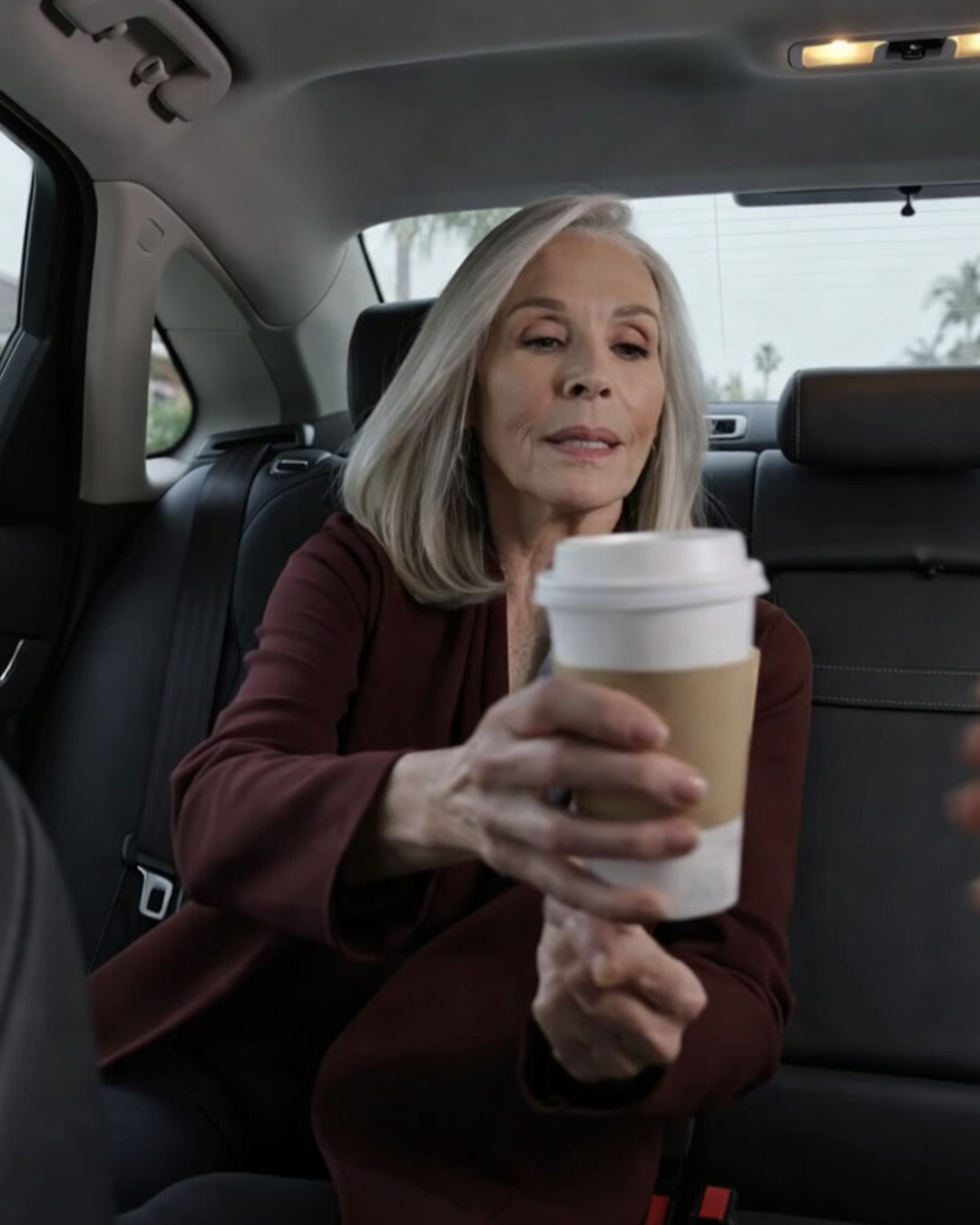
In October, I started bringing tea. Chamomile at first, poured into a travel cup from my own kitchen because the warmth steadied my hands after the long shift. One night I handed him a second cup.
“You do not have to do that,” he said.
“I know,” I told him. “But nights are long.”
He accepted it with a nod that felt heavier than simple gratitude.
By November, those twelve-minute rides had become the only part of my day when I spoke to another human being face to face. Aaron remembered my routine with an attentiveness that never felt intrusive. He remembered the way my porch light flickered. He remembered which nights I double-checked the lock before stepping away from the door. He remembered when the block felt different.
What I did not know then was that someone else had been watching too.
Aaron rarely spoke first, but when he did, it was never small talk. He asked questions that mattered and then waited for the answer without trying to fill the silence around it. Over time I learned that silence did not unsettle him. He understood it. One night, a few weeks after we met, he told me he used to work as an electrical systems technician. For nearly twenty years he handled maintenance for commercial buildings across the city until a scaffolding accident crushed two vertebrae in his lower back. The company settled. The job disappeared. The pain stayed.