“Tell me about it. For real.”
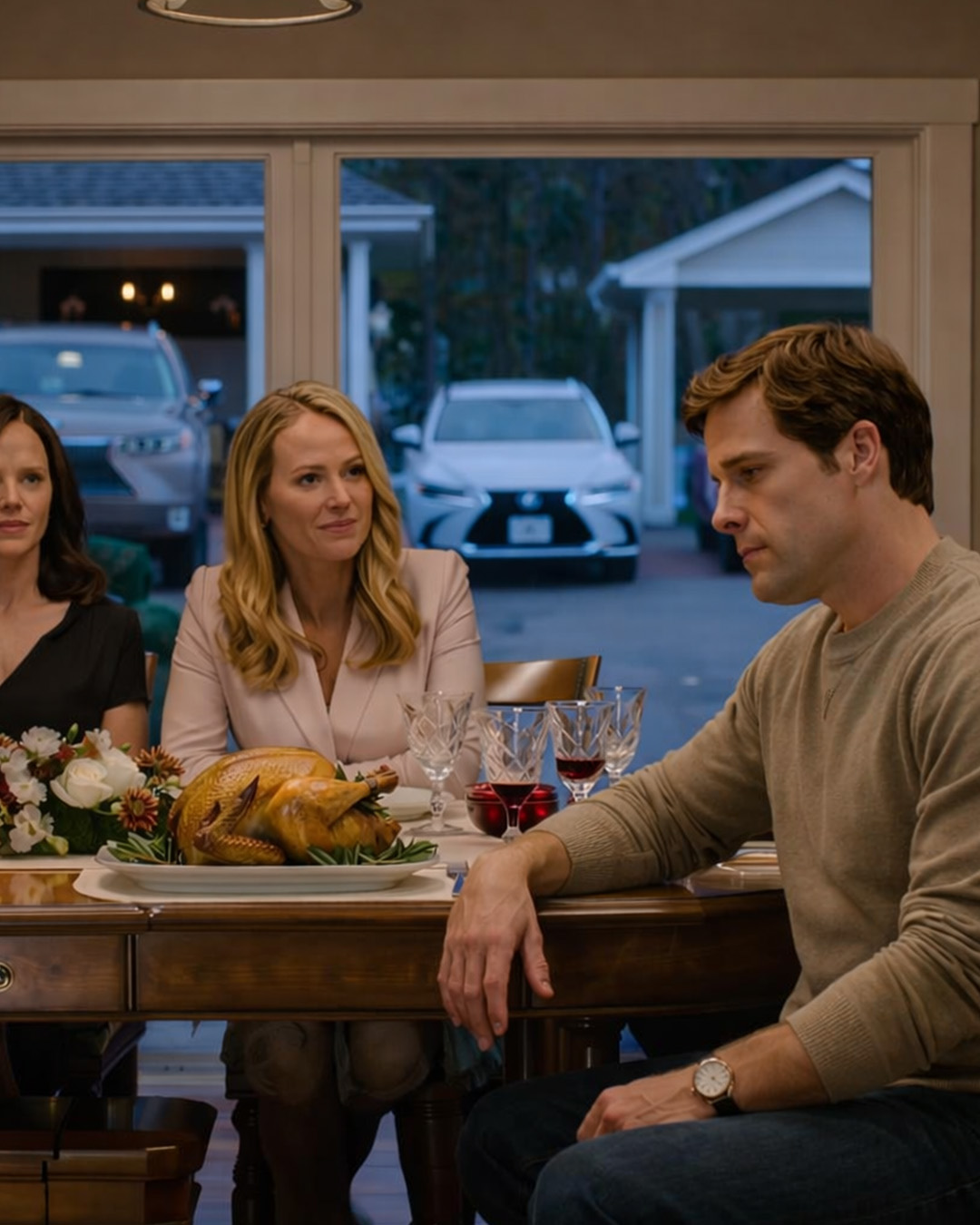
He turned his wrist over and looked at the watch—a Timex, scuffed, the crystal scratched from years of contact with lab benches and kitchen counters and the daily friction of being on a wrist that built things.
“My dad bought this watch in 1991,” he said, “at a Kmart in Cedar Falls. He’d just gotten his first teaching job. Twenty-three years old, biology teacher, starting salary so low he qualified for food stamps for the first two years. He bought the watch because he said a teacher should always know what time it is. He wore it every day for thirty-one years. First day of school. Last day of school. Parent-teacher nights. The day I graduated high school. The day I told him I was dropping out of my PhD program to start a company he didn’t understand.”
“What did he say?”
“He said, ‘I don’t know what biotech means, but I know what you look like when you’re sure about something. And you look like that right now.’ Then he gave me the watch. He said, ‘Take this, so you always remember that the guy who gave it to you was a teacher who made thirty-eight thousand dollars a year and was the richest man he knew.’”
Ethan’s voice didn’t crack. It just got quieter, the way a river gets quieter when it deepens.
“He died eight months later. Pancreatic cancer. Diagnosed in September. Gone by May. He never saw Helion. Never saw the IPO. Never saw any of it.”
Ethan paused.
“He would have hated the money. He would have loved the work.”
I understood then—not just the watch, but Ethan. Why he drove a Subaru with dog hair on the seats. Why he lived in a three-bedroom house and wore flannel to conferences and wrote his name on a blank sticker without a title.
He wasn’t hiding his wealth.
He was protecting the thing his father taught him. That you are the work, not the number.
“Is that why you never told me?” I asked. “About the company? About how big it is?”
“I told you about the company.”
“You said you run a small company. Ethan, your company is worth five billion dollars.”
“It’s not small?”
I stared at him.
He held the stare for exactly two seconds before the corner of his mouth twitched.
And I threw a spring roll at him.
He caught it.
And we both laughed in a way that filled the kitchen entirely.
“I needed to know,” he said after the laughing subsided, “that you’d marry the guy in the flannel shirt. Not the guy on the Forbes list.”
“I don’t even read Forbes.”
“I know. That’s one of maybe four hundred reasons I proposed.”
Two days later, Ethan mentioned—casually, while refilling the dog’s water bowl—that a producer friend had been asking to feature our wedding for a TV segment. Some series about unconventional weddings. Ethan had always said no, but the producer was also involved with the Helion Foundation’s annual fundraiser, and the publicity would help their rural healthcare initiative.
“It would be a small crew,” he said. “Two cameras. Tasteful, they promised.”
I thought about it for less time than I probably should have.
“Sure. Why not? It’s not like my parents will be watching.”
Ethan glanced up from the water bowl. “You okay with that?”
“Ethan, my parents chose a shrimp tower over my wedding. I think I’ve exhausted my capacity for caring what they think about my media appearances.”
He nodded. He didn’t push. He never pushed.
Turns out, planning a wedding without your mother is surprisingly efficient. Nobody cried about napkin colors. Nobody argued about the seating chart. Nobody called to say the flowers were wrong or the invitations were too casual or the venue was a disgrace to the family name.
Claire and I made every decision in under ten minutes, usually over lunch, usually while laughing about something that had nothing to do with weddings. It was, without exaggeration, the most peaceful planning process in the history of matrimony.
And somewhere in the middle of it, I realized something I hadn’t expected.
I wasn’t just planning a wedding without my parents.
I was discovering what my life felt like without the weight of their judgment pressing down on every choice I made.
It felt light.
It felt terrifyingly, wonderfully light.
The wedding was three weeks away. I had a dress to finish sewing, a barn to decorate, and zero parents in the front row. And for the first time in twenty-eight years, that math didn’t make me sad.
It just made me free.