Driving nights paid the bills and kept him moving. It also allowed him to check on his mother every morning before he slept. She lived alone now, her memory fading in unpredictable waves, and Aaron had rearranged his whole life around her needs with the steady practicality of a man who no longer wasted energy wishing life were easier. He never complained. He just said it the way some people read weather reports.
As the weeks passed, I began to realize something unusual. Aaron did not just remember my address. He remembered patterns. He knew which nights I stayed late to finish audits. He noticed when my porch light was off and slowed before pulling to the curb. Once, as we passed my block, he said, “There’s a car parked across from your house that I’ve seen before.”
I laughed it off. Los Angeles is full of cars that do not move for days at a time. He did not argue. He just nodded and kept driving.
Another night he asked if I ever brought work home.
“No,” I told him. “Files never leave the archive. Everything is logged. Everything is tracked.”
He seemed relieved by that answer in a way I did not understand.
By December, bringing him tea had become part of the routine. Some nights ginger. Some nights peppermint. Sometimes plain black tea when I was too tired to think about anything more delicate. I did not think of it as generosity. It was simply one normal thing in a life that no longer felt normal.
One rainy night, while the windshield blurred the city into ribbons of light, I mentioned how quiet the house felt now, how sometimes even the walls seemed to remember Daniel’s footsteps.
Aaron kept his eyes on the road. “My son used to say our house sounded different when my father passed,” he said. “Like it knew.”
That surprised me. “You have children?”
“One,” he said after a beat. “A son. We do not speak anymore.”
He did not elaborate, and I did not ask. But I saw his hands tighten slightly on the wheel.
What I did not know then was that Aaron paid attention not only to me, but to others who mentioned me. Over the previous month he had driven a man who talked too much when he was drunk, a man who complained about audits, missing files, and a woman in records who was asking the wrong questions. A man who kept repeating my street name like he was committing it to memory.
Aaron had learned long ago what it costs to ignore warning signs when they first appear. That failure, as I would later learn, had cost him his relationship with his son. Back then I only knew that whenever he dropped me off, he waited until my front door had closed before driving away. I thought it was courtesy.
I did not realize it was vigilance.
When Aaron began logging license plates in his notes app, memorizing voices, and tracking times, he did not see himself as any kind of hero. He saw himself as a man trying not to fail a warning twice.
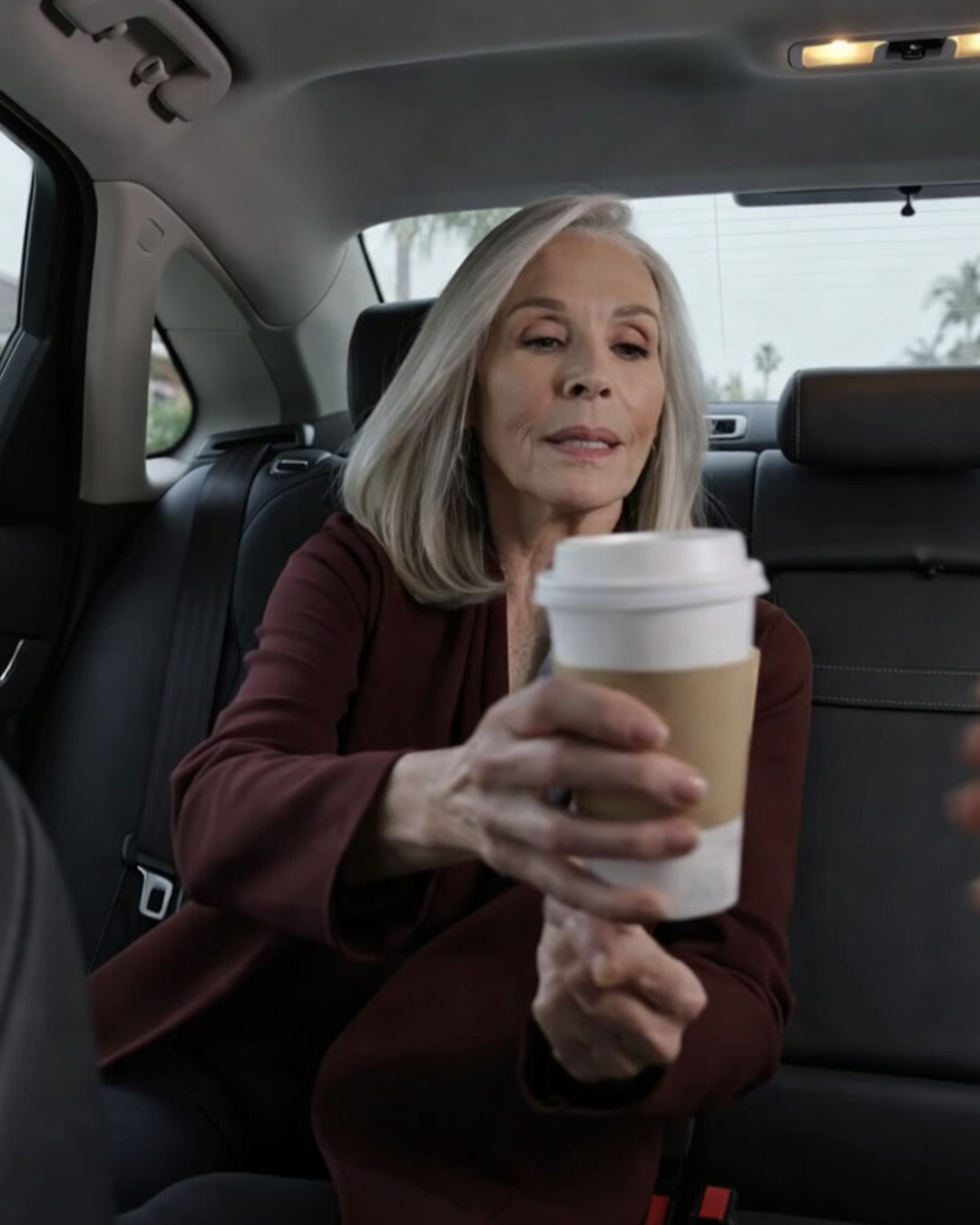
By January, our nights followed a rhythm that felt almost scripted. I stepped out of the records archive at 11:45 sharp. The security guard nodded as I passed. Aaron’s car waited in the same spot, engine running, headlights low. I slid into the back seat, set my bag beside me, and handed him the tea without a word. He thanked me quietly, as if we had both agreed long ago that words were optional when they were not necessary.
Those twelve minutes became the only part of my day that felt anchored.
I learned that Aaron preferred driving nights because, as he once put it, the city reveals itself honestly after dark. No performances. No crowds. Just people trying to get home, trying to survive, trying to forget. He told me he could often tell when someone was lying by the way they breathed, not by what they said. Drunk passengers especially. They mistook privacy for invisibility.
Around that same time, I told him more about the audit.
It had started innocently. A few files flagged as incomplete. A few scanned documents that did not match their physical originals. Nothing dramatic at first. Just small inconsistencies, subtle enough to look like clerical error if you were not paying attention. My supervisor asked me to double-check archived civil cases involving elder settlements and disability claims, the kinds of cases people stop thinking about once the paperwork is signed and the case number disappears into a database. Cases involving people who do not always have the money, language, or strength to keep asking questions.
I did not realize how carefully Aaron was listening.
He asked which nights I usually worked late. I told him Tuesdays and Fridays were the worst. He nodded as if he were storing the information somewhere careful and permanent.
One evening, as we turned onto my street, I noticed a man standing beneath the flickering streetlight near the corner. Middle-aged. Baseball cap pulled low. Looking at his phone in the overly deliberate way people do when they want to look busy without drawing attention.
I mentioned him casually.
Aaron slowed the car. “That man has been there before.”
A small ripple of unease moved through me. “Are you sure?”