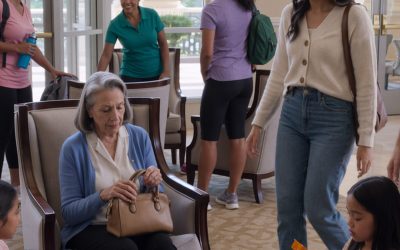
A month later, I visited my grandmother’s grave. I laid down tulips—her favorite—and whispered, “It’s done.” The wind felt like an answer. Peace isn’t loud. It’s quiet, steady, earned.
Two weeks after Julia’s email—“Case resolved. Repayment agreement signed. Probate reversed. You’re clear.”—life began to regain temperature. Not heat. Not fireworks. Just warmth at the edges of the ordinary. The kettle clicked off. The floor under my bare feet felt like a choice I’d made. Sunlight moved across the new apartment wall like a slow, careful promise.
I kept waiting for my nervous system to report an emergency I’d forgotten to handle. It didn’t. The phone still blinked sometimes, but my settings did the work my spine used to do: unknown numbers to voicemail; family addresses to the archive; legal notices to a folder labeled JULIA—ACTIVE. Boundaries, it turned out, could be automated.
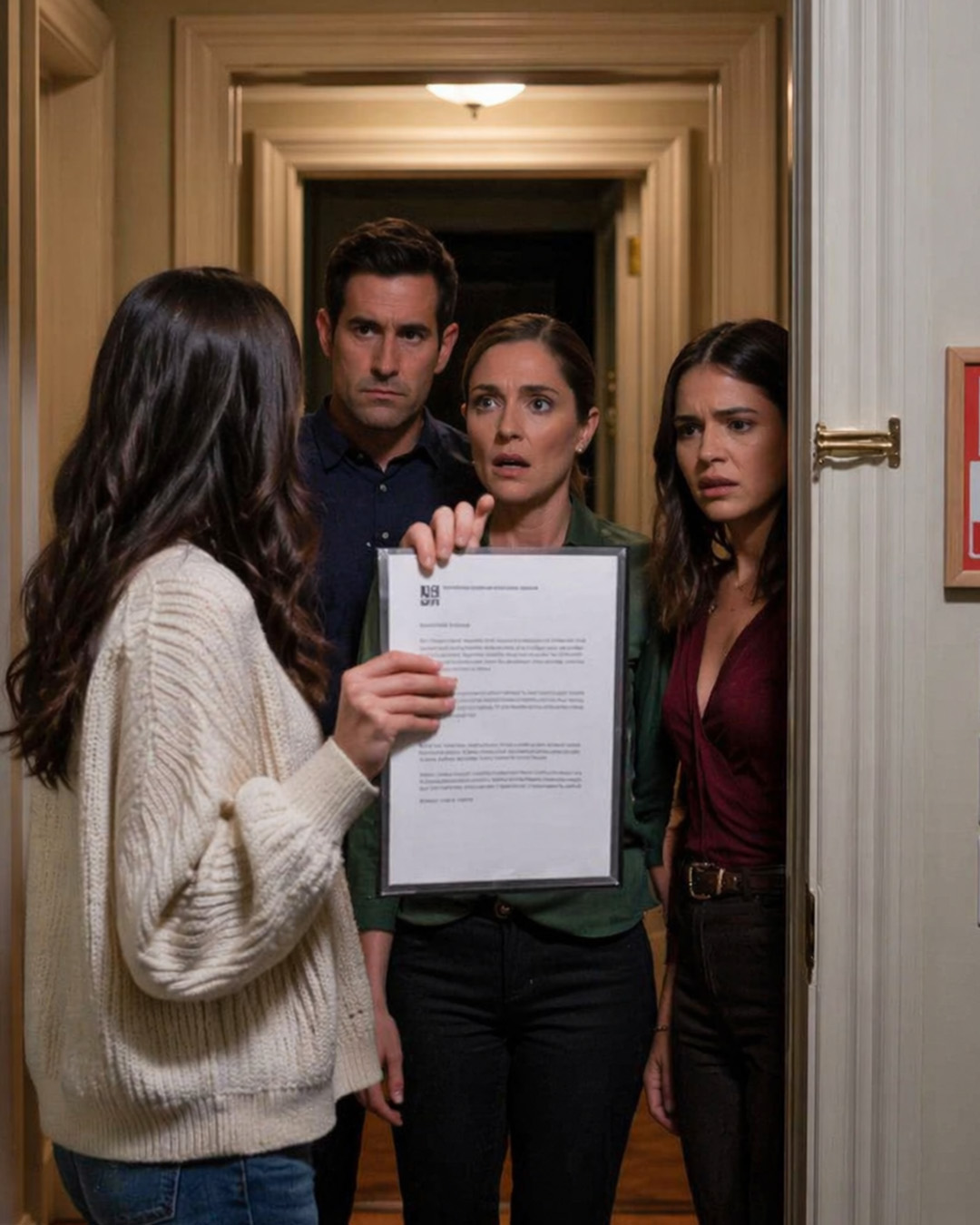
On a Thursday morning, a certified letter slid under my door. It wore the neutral suit of bureaucracy: Patterson & Low Probate Office—Supplemental Discovery. I made tea, sat at the little bar that pretended to be a kitchen table, and opened it with the unhurried hands of a person who knows she can handle whatever is inside.
There was a copy of my grandmother’s original codicil. Not the forged one—the true one—dated six months before she died. A single paragraph in her sharp, schoolteacher cursive: For Sofia, who keeps receipts when the world pretends not to owe them. A note in the margin, a joke only she and I would find funny: Tulips in April. Don’t forget they like the cold first.
Attached, a memo from Amy Patel: Safe-deposit box key now accounted for; contents include letters and a small velvet pouch; request authorization for release.
Authorization. The word had done so much wrong in my life—used on me, over me, through me. It felt clean to use it on purpose. I signed, scanned, sent.
That afternoon, Evan knocked with the careful rhythm of a person who doesn’t assume welcome. We’d met in a class years ago—Statistics for Social Research—two people who liked numbers because they didn’t lie unless you asked them to. He set a paper bag on my counter. “Consumer Reports says this is the best cheap drill,” he said by way of hello. “And I brought anchors. Drywall is a liar.”
We hung bookshelves. He measured twice, drilled once. Neither of us talked about the case. The shelves went up level; the room felt less temporary. We drank coffee on the floor. He picked up a manila folder from the stack on my chair and read the tab. “Residuals,” he said. “You keeping this?”
“Yes.” I took it back. “Not like a shrine. More like a museum. Exhibits A through Z, in case anyone forgets how we got here.”
“People forget on purpose,” he said, not unkindly.
“Then we can remember on purpose.”
He watched the afternoon light push gold across my floorboards. “How’s the quiet?”
“Loud,” I said. “But in a good language.”
Two days later, Julia called from a courthouse hallway so noisy I could hear the echo off tile. “Quick update,” she said. “We accepted the repayment plan with a consent judgment. If they default, liens trigger automatically. Also, the court granted our defamation injunction. Posts come down in twenty-four hours or they pay daily penalties. Screenshots are enough; we don’t need apologies.”
“No apologies,” I repeated, tasting how clean the phrase felt.
“And the probate judge scheduled a hearing on the forgery and codicil.”